


In jewelry, plating is where design meets daily life. The right combination of thickness (µm), barrier layers, and finishing determines how long a piece keeps its color, how it feels on skin, and how often it gets returned. This article turns the science into practical decisions you can apply with BloomBleem Manufacturing — so your designs look great on day one and still look great months later.
Why thickness matters (and what a micron buys you)
Thickness isn’t a vanity metric; it’s wear life. A sub-micron “flash” is perfect for samples and look-and-feel reviews, but it won’t survive daily friction. Most fashion and demi-fine ranges see strong results at 0.8–1.5 µm on high-rub pieces such as rings and bracelets, while 0.2–0.5 µm often suffices for low-contact SKUs like earrings and pendants. For premium longevity, stepping up to 1.0–2.5 µm improves color stability and reduces warranty claims. For white finishes, rhodium usually runs 0.05–0.30 µm — thin, bright, and effective.
The base under the gold: silver, brass, stainless, or gold
Color stability starts at the base metal. 925 sterling silver feels luxurious but needs a palladium (or nickel-safe) barrier before gold to stop diffusion and tarnish creep. Brass is cost-effective yet demands a robust barrier for skin comfort and color hold. Stainless steel (304/316L) is corrosion-resistant and pairs well with PVD or electroplate for tough everyday pieces. Even 14K/18K gold items can benefit from a rhodium flash (for white gold) or a very light gold flash to tune color.
Build a durable “stack”
Think in layers: surface prep → barrier → color → optional topcoat. A proven yellow or rose stack on 925 or brass is a palladium barrier plus gold to the target µm, optionally finished with a clear e-coat to add sweat and abrasion resistance for fashion SKUs. For bright whites, rhodium over palladium delivers both pop and anti-tarnish protection.
Match thickness to the job the piece must do
A ring scraping against keyboards and door handles needs more protection than a pendant worn over fabric. As a rule of thumb:
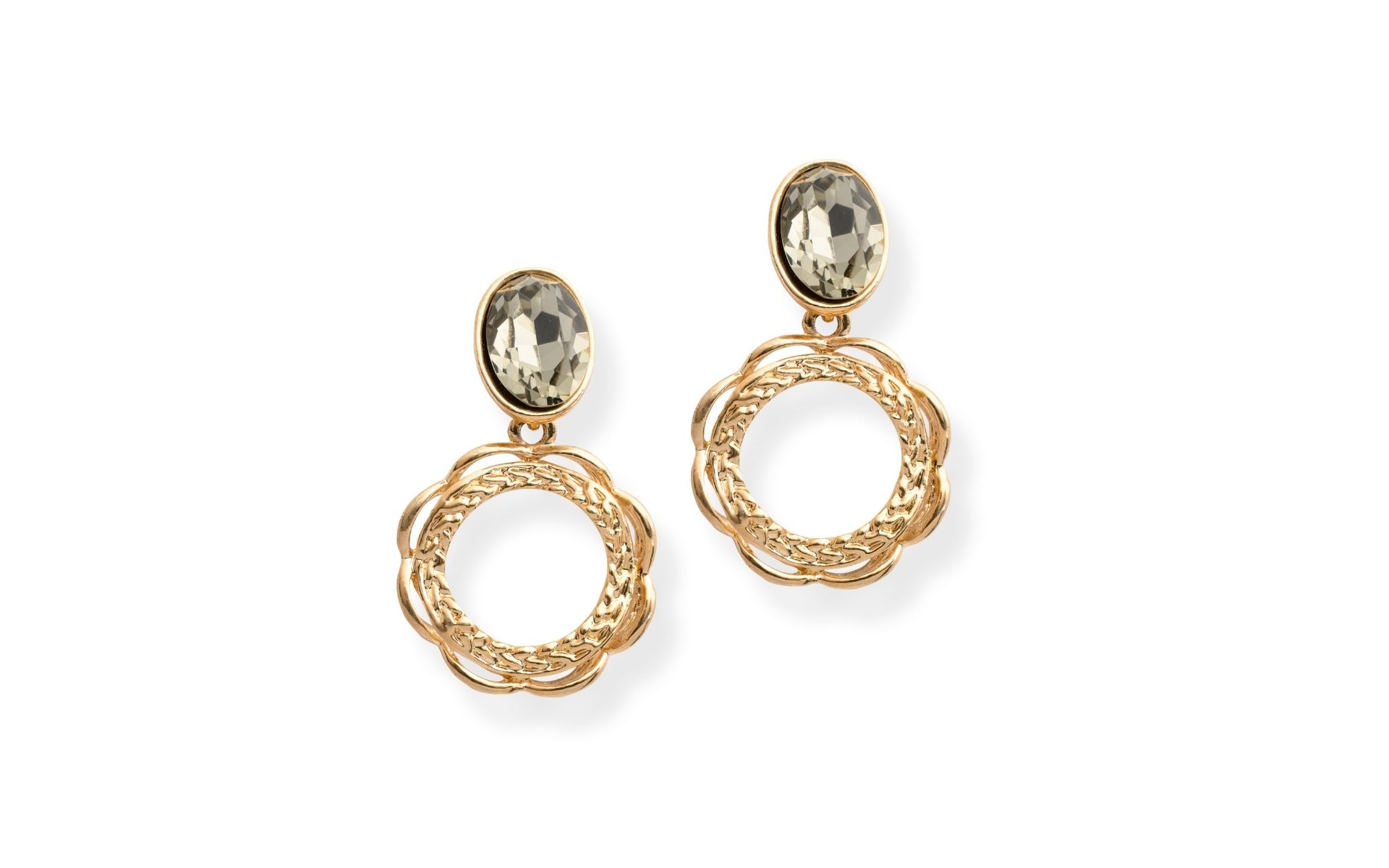
- Earrings and pendants: 0.2–0.5 µm gold, 0.05–0.15 µm rhodium
- Necklaces (daily wear): 0.5–1.0 µm gold, 0.05–0.20 µm rhodium
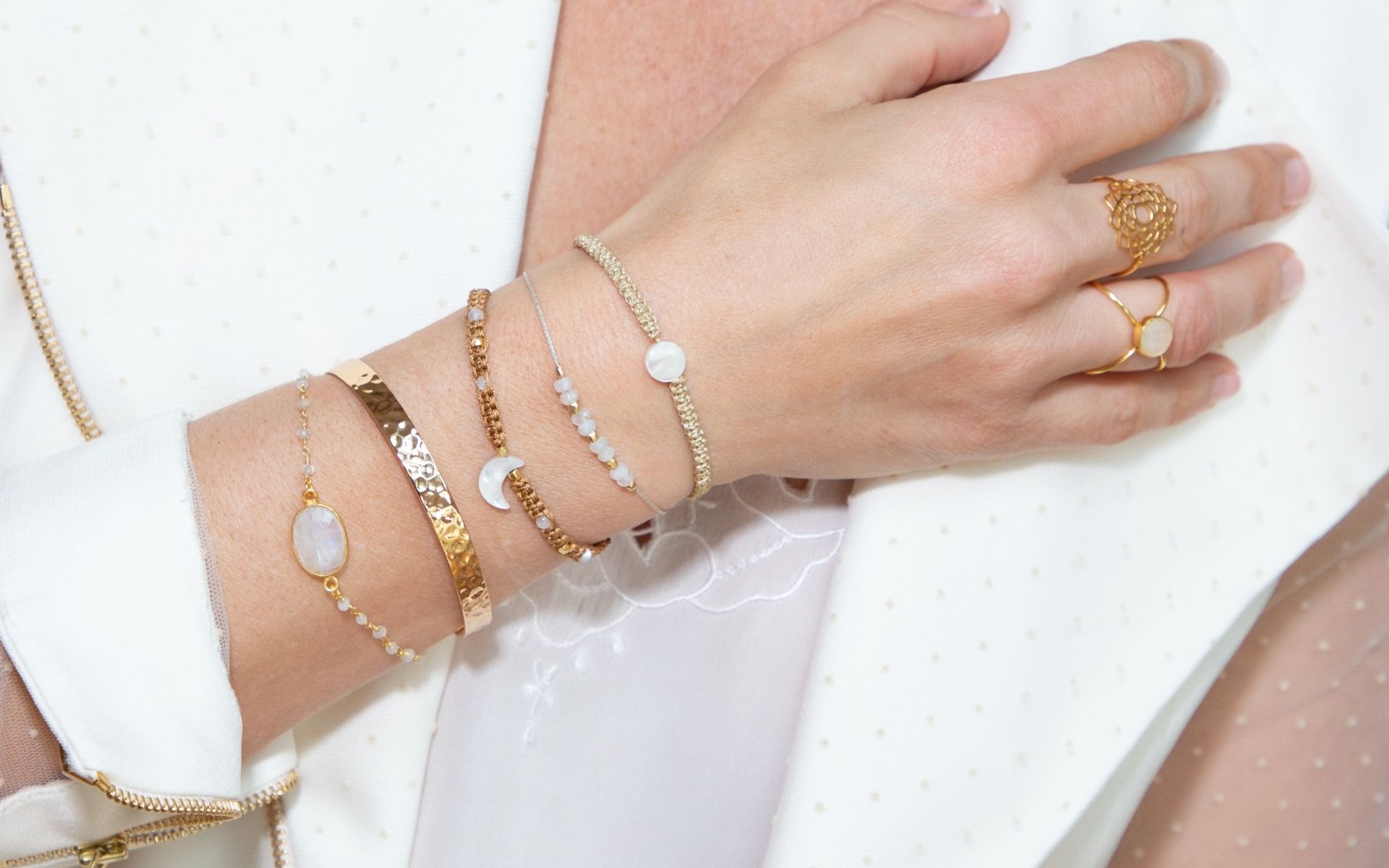
- Bracelets: 0.8–1.5 µm gold, 0.05–0.20 µm rhodium
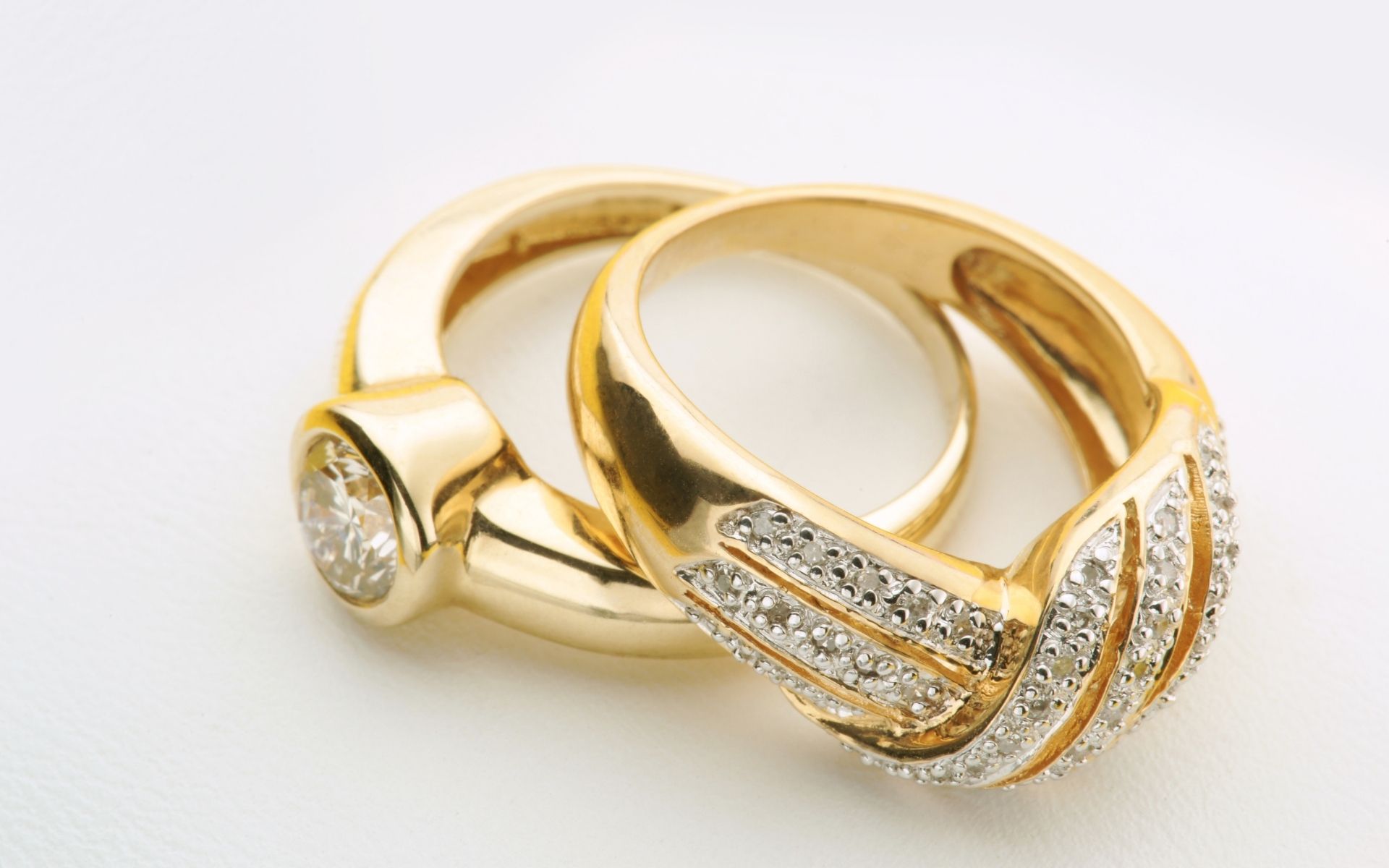
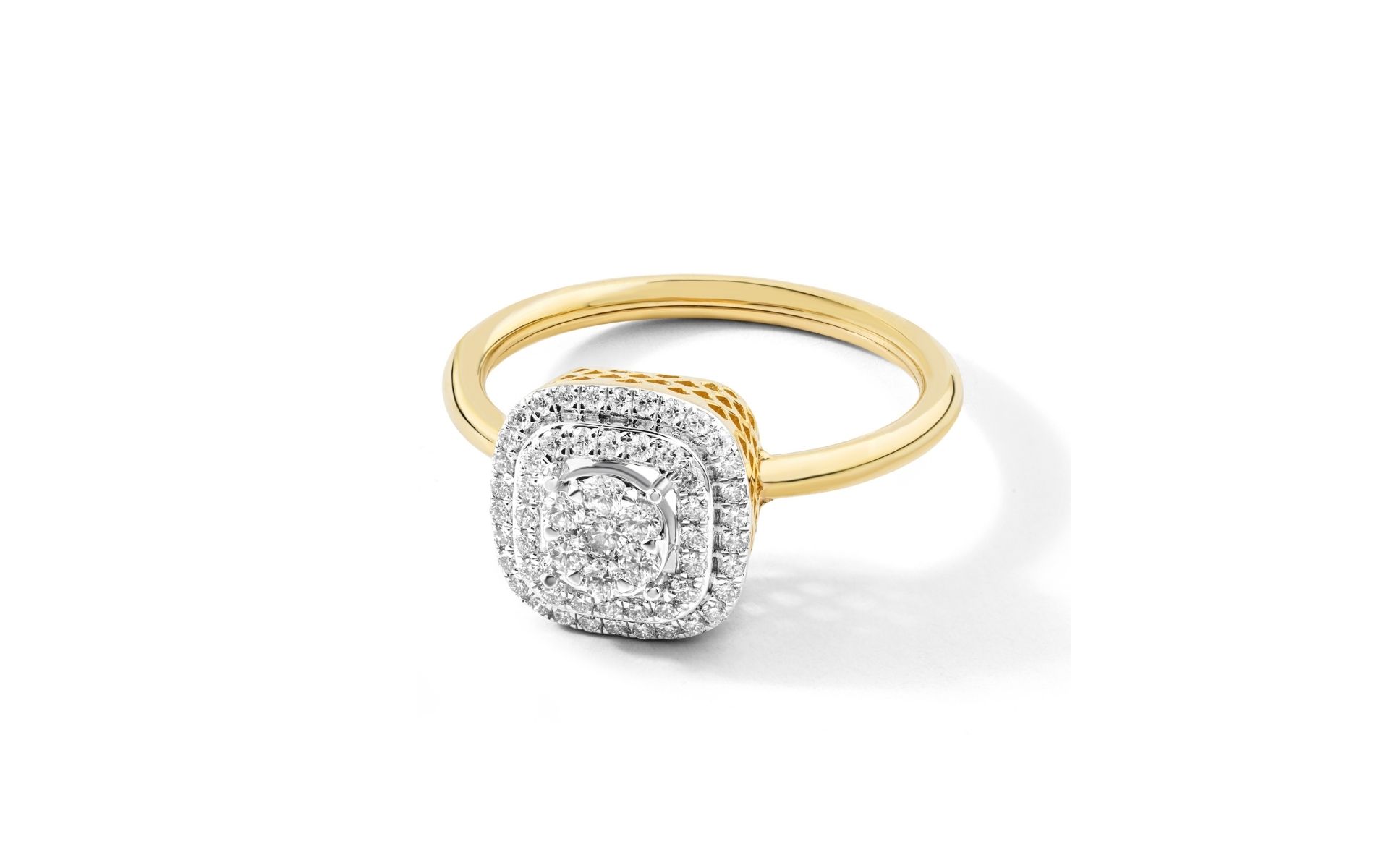
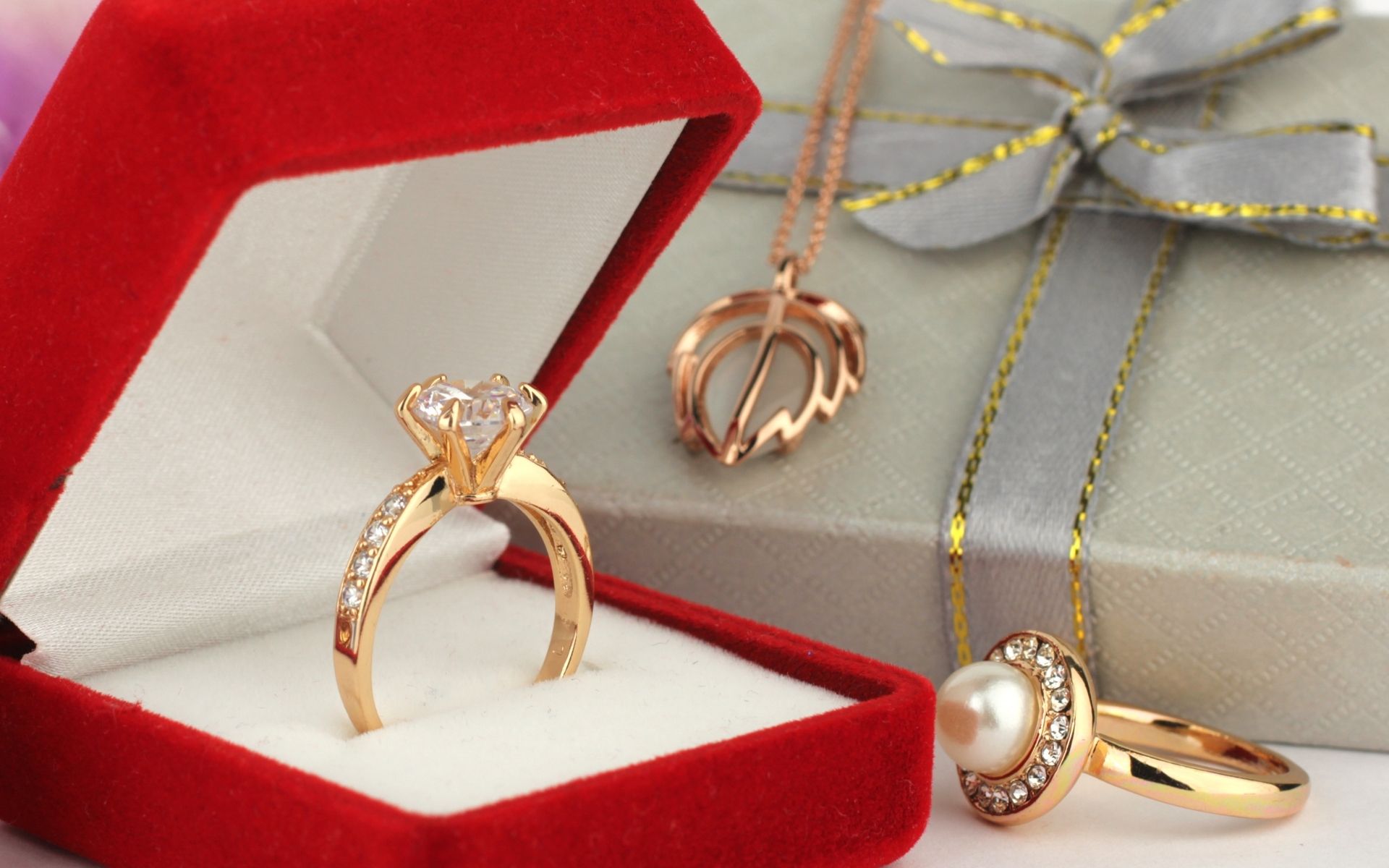
- Rings: 1.0–2.5 µm gold, 0.10–0.30 µm rhodium (white)
Adjust for alloy hardness, surface finish (matte shows wear sooner), and target retail price.
Comfort, compliance, and customer satisfaction
Durability is only half the story; skin comfort and regulations matter too. Nickel-safe systems, smooth edges, and clean final finishing reduce irritation complaints. Clear, realistic care cards — remove before the gym or shower, store dry, avoid chemical exposure — dramatically cut avoidable wear. Locking specs and controlling plating baths keep color batches consistent, so reorders match the original photos on your product pages.
QC that predicts real-world wear
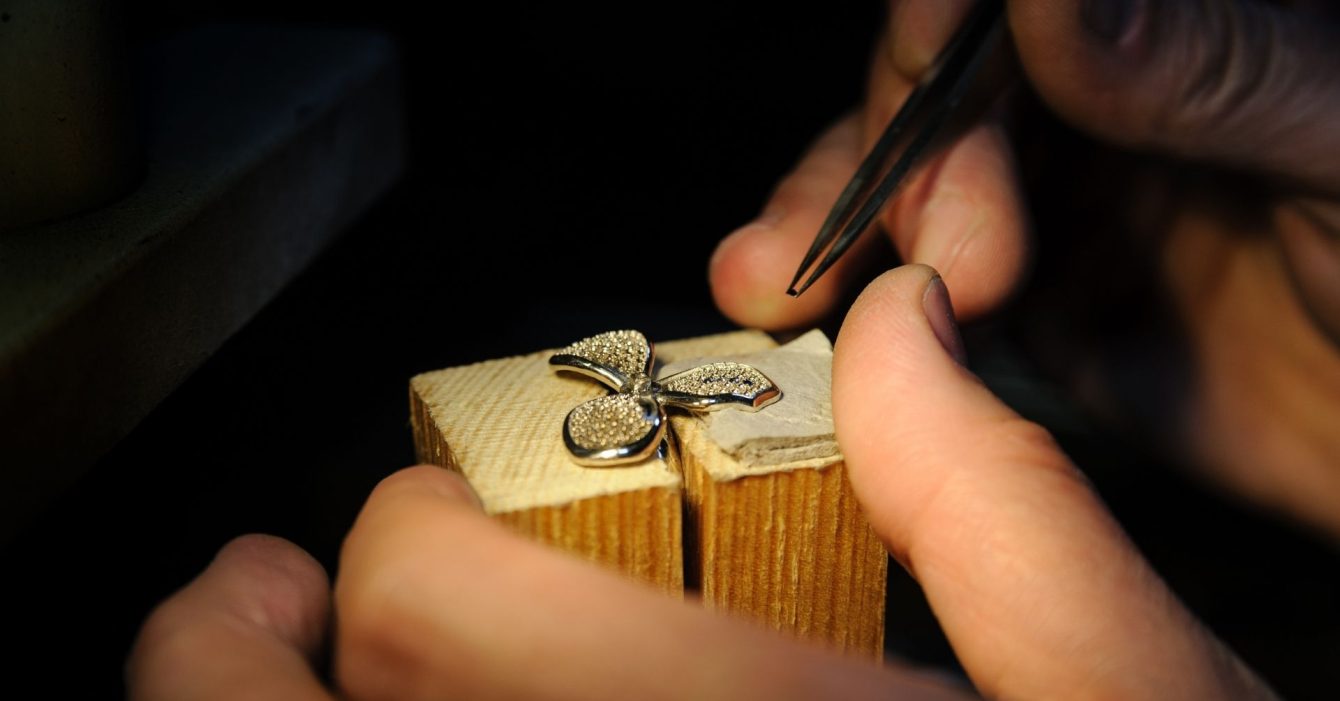
BloomBleem Manufacturing uses XRF thickness metering to verify microns at scale, simple adhesion (tape) tests during the process, and a final inspection to AQL standards. When needed, we add synthetic-sweat or rub and abrasion tests, and for PVD projects we can run humidity or salt-spray checks. Every lot is traceable: bath parameters, sample coupons, and inspection records are archived.
Rhodium vs. gold plating — and when to use PVD
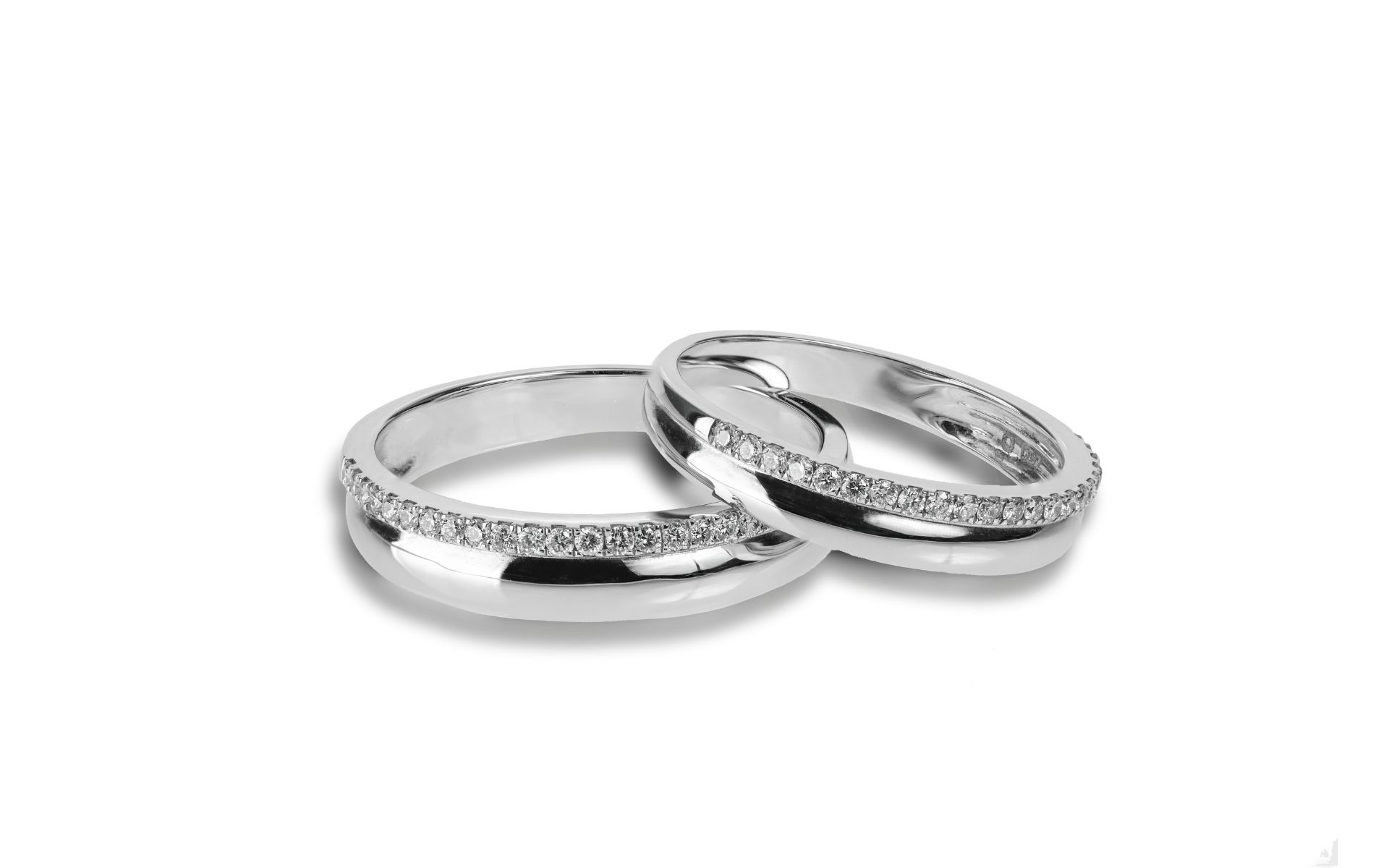
Rhodium is your bright, hard white — ideal for white gold and silver, typically at thin deposits. Gold plating (yellow, rose, or white) gives warmth, a classic tone, and easy rework; choose microns by wear profile and price point. PVD shines on stainless and brass for ultra-tough fashion colorways; for classic gold tones, we may combine traditional gold plate with PVD layers to balance aesthetics and endurance.
Price–performance: engineer the sweet spot
Not every SKU needs the same spec. Define the role of each product (hero, core, or entry) and set thickness bands accordingly. Use barrier layers so thinner gold can perform like thicker in many cases, and apply e-coat strategically on high-rub surfaces for fashion price points. For your best-selling demi-fine pieces, moving to the 1.0–2.5 µm tier often pays for itself in lower returns.
What you receive with BloomBleem Manufacturing
You’ll get a locked spec sheet (base metal, barrier, target µm, and rhodium where applicable), XRF thickness reports per lot, a QC inspection summary, and a care and compliance pack (nickel-release awareness, finish notes, and consumer-friendly care card copy). We also maintain master color standards and batch photos to keep your e-commerce imagery honest and consistent.
The takeaway
Microns matter: tie thickness to the piece’s real wear, not just margin. Stack smart: barrier plus target µm plus optional e-coat is a proven recipe. Measure, don’t guess: XRF and structured QC reduce surprises — and returns. And educate customers: simple care cards dramatically improve reviews.
Ready to spec plating that lasts? Share your range plan with sales@bloombleem.com, and we’ll return a thickness map, costed options, and a launch-ready QC plan promptly.